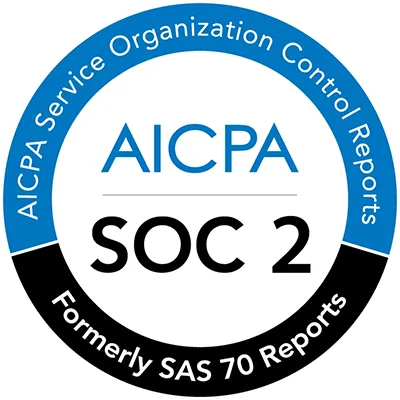
The Last Business Card is SOC 2 Type II Compliant
We are proud to demonstrate our ongoing commitment to data security and privacy through our SOC 2 Type II compliance. This certification affirms that our systems and processes meet rigorous standards for safeguarding customer information. Security, availability, and confidentiality are core to our platform, and this milestone reflects our dedication to maintaining a trustworthy and compliant environment for every organization we serve.
A Secure and Sustainable Solution for Modern Networking
The Last Business Card (LBC) platform offers enterprises a secure, sustainable solution for professional networking and contact management. Users can share contact details via NFC-enabled smart cards, QR codes, and branded digital landing pages, while also capturing recipient information in return—supporting true two-way relationship building.
Unlike traditional business card platforms that simply push static contact details into a recipient’s address book, LBC initiates a mutual exchange:
- When a user shares their card or scans a paper card, the recipient is prompted to enter their own contact information.
- Both parties automatically receive a follow-up email containing each other’s contact details.
- Conversations can be continued by simply replying to the email—eliminating friction and reducing lost connections.
Built with Data Minimization and Enterprise Integration in Mind
A key architectural principle of LBC is data minimization. Rather than persisting sensitive corporate directory data in our infrastructure, LBC connects directly to a customer’s authoritative identity source—such as Microsoft Active Directory or Entra ID—and renders contact details dynamically. This ensures:
- Instant updates: Changes in corporate HR or IT systems are immediately reflected in the user’s digital card.
- Reduced risk: No long-term storage of directory data in LBC’s cloud reduces exposure and simplifies compliance.
Enterprise-Grade Capabilities
LBC also provides:
- Administrative controls for IT teams
- CRM export and integration
- Custom branding
- Lead capture workflows
- Paper card scanning
The platform is delivered via a secure SaaS architecture hosted on AWS, with end-user access available on both web and mobile.
Compliance
 SOC 2
SOC 2
Controls
View all- Encryption key access restricted
- Firewall access restricted
- Unique network system authentication enforced
- Asset disposal procedures utilized
- Portable media encrypted
- Anti-malware technology utilized
- Data encryption utilized
- Control self-assessments conducted
- Vulnerability and system monitoring procedures established
- Continuity and Disaster Recovery plans established
- Continuity and Disaster Recovery plans tested
- Cybersecurity insurance maintained
- Data retention procedures established
- Customer data deleted upon leaving
- Data classification policy established